§1
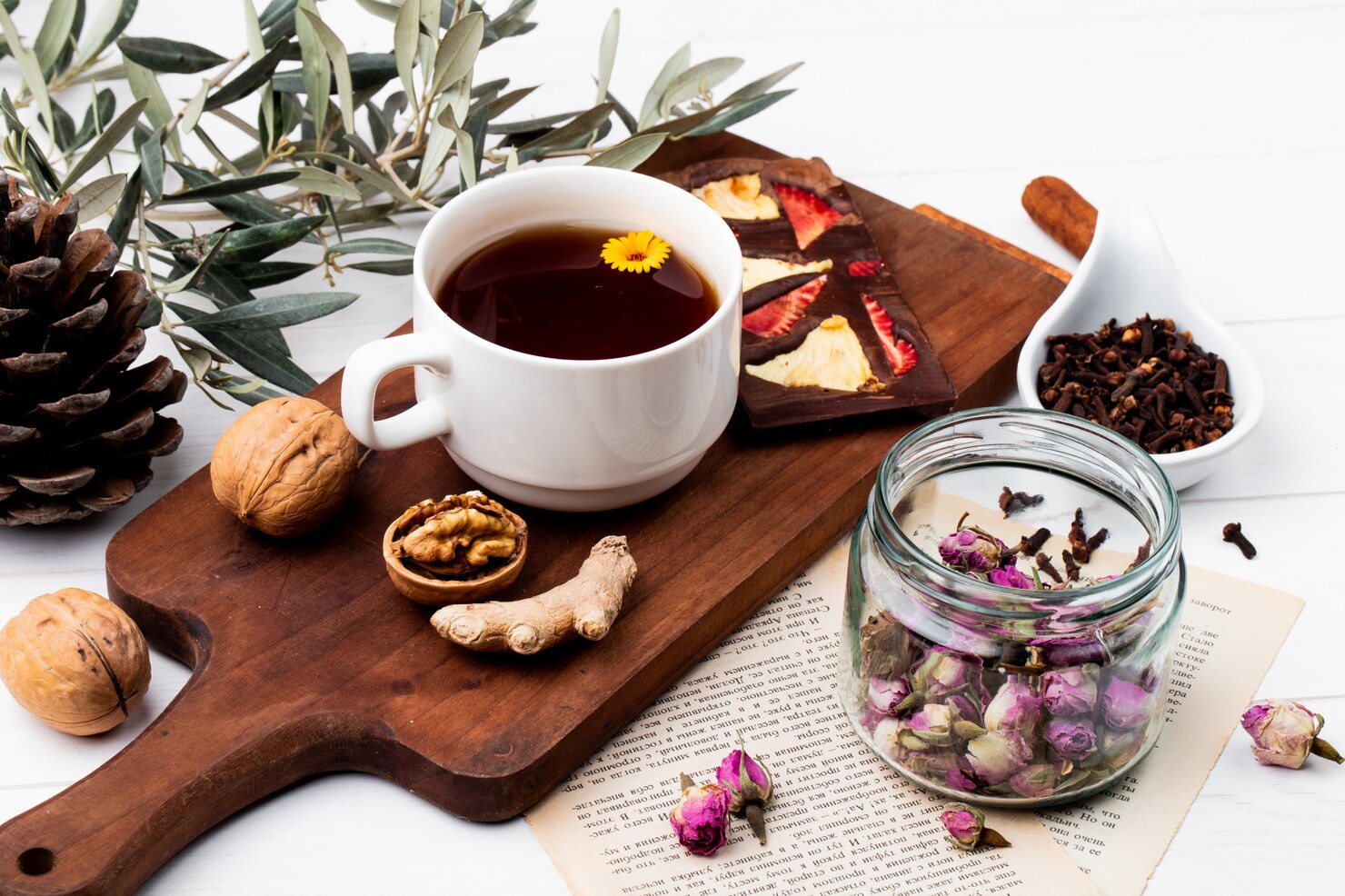
About this guideKenya holds one of Africa's richest botanical traditions. This guide documents the plants, preparation methods and cultural contexts behind herbal tea — from a purely educational standpoint.
01
Plant documentation, cultural use contexts, traditional preparation and a reference table of East African herbs commonly associated with herbal tea traditions.
02
Hydration, food hygiene, daily movement and rest — general wellness habits drawn from publicly available health guidance and contextualised for the Kenyan lifestyle.
03
Questions about this guide's content? Send us a message and we'll respond with general educational context. We do not offer personal health advice.
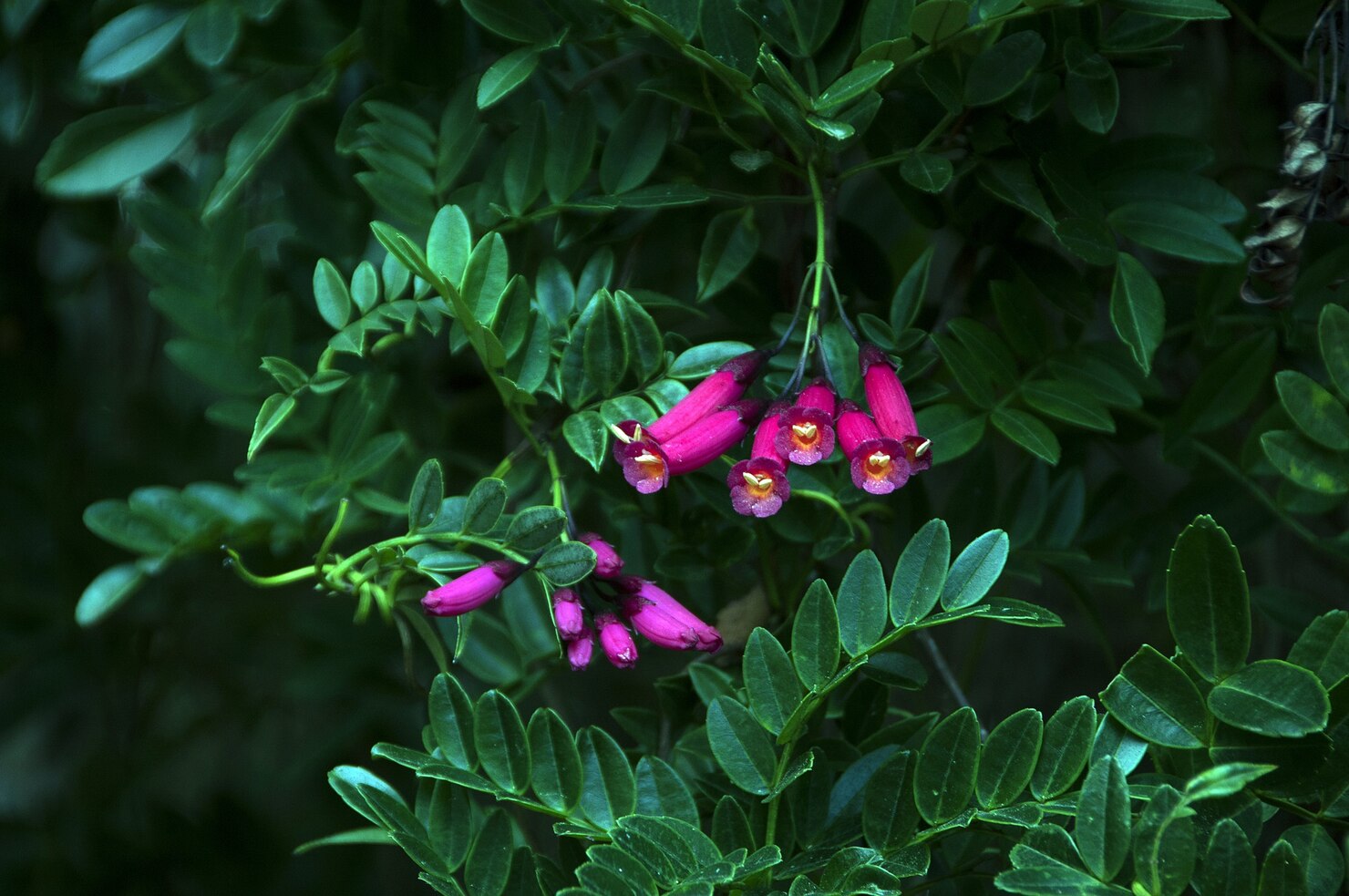
Kenya's diverse ecosystems — from montane forests to semi-arid plains — support an extraordinary variety of plant life. Communities across the country have built rich herbal traditions rooted in this biodiversity.
47
counties in Kenya, each with distinct ecological and botanical character
7+
distinct vegetation zones from alpine to coastal forest
This site provides general educational information about herbal tea traditions. It is not a substitute for professional medical advice.
Plants like Lemongrass, African Wormwood and Moringa documented in their cultural context.
Infusion, decoction, sun-drying and blending — how herbal teas are traditionally made.
How teas contribute to daily fluid intake alongside clean water as a foundational habit.
Hygiene essentials for Kenyan households — water safety, handwashing and herb storage.
General activity and sleep guidance contextualised for everyday life across Kenya's regions.
The role of bitter plants and gut-focused herbal traditions in East African food culture — educational only.